Reviewing the Chicken Crossing Sign for Small Business Merch
As an embroidery designer who has spent years digitizing and testing designs for commercial use, I approach every new machine embroidery design with a critical eye. It is not just about whether a motif looks cute on a screen; it is about how it performs in the real world of small business merchandising. Recently, I evaluated the Chicken Crossing Sign, a playful digital asset that promises to bring a touch of rustic humor to branded goods. For boutique owners, Etsy sellers, and apparel decorators, understanding the practical application of such a design is crucial before investing time and thread.
First Impressions: Visual Personality and Brand Fit
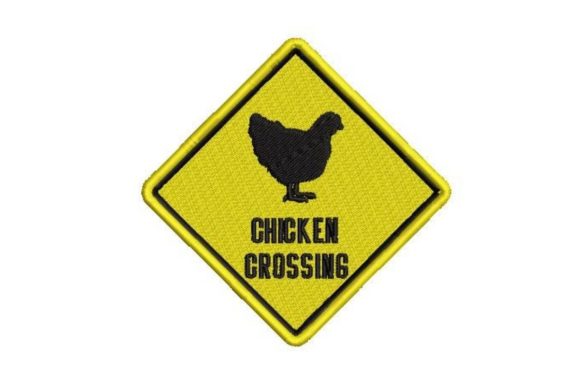
The immediate appeal of the Chicken Crossing Sign lies in its whimsical nature. In the realm of Farm themed aesthetics, this design strikes a balance between decorative charm and recognizable signage. It does not attempt to be overly elegant or modern; instead, it leans into a friendly, handmade vibe that resonates well with local businesses, bakeries, florists, and pet brands. The concept of a "crossing sign" implies movement and community, which can subtly enhance brand identity by suggesting a welcoming, down-to-earth atmosphere.
For a creative studio or a café looking to differentiate their custom apparel, this design offers a conversation starter. It is bold enough to be seen from a distance but playful enough to invite a smile. However, from a professional standpoint, the simplicity of the concept must be matched by technical execution. A design that relies on humor must remain legible. If the details are too fine, the joke is lost on the viewer. Therefore, my initial assessment focuses on whether the lines are clean and if the spacing allows for proper thread coverage without excessive bulk.
Real-World Applications for Small Business Merch
When considering where to apply the Chicken Crossing Sign, versatility is key. This design is particularly well-suited for embroidered patch production. Patches are a trending item in the handmade product market, allowing customers to customize their own jackets, bags, and hats. A chicken crossing motif works exceptionally well as an iron-on or sew-on patch because it is self-contained and does not require complex blending with the garment fabric.
- Staff Uniforms and Aprons: For a farm-to-table restaurant or a rural boutique, adding this design to an apron embroidery layout adds personality. It breaks the monotony of standard uniforms and reinforces the brand’s connection to nature or agriculture.
- Cap Embroidery: Placing the design on the front panel of a baseball cap is a classic move. However, the curvature of the cap requires careful digitizing. The design must be centered and scaled correctly to avoid distortion.
- Tote Bag Design: Canvas tote bags are staples for grocery stores and bookshops. The Chicken Crossing Sign serves as an excellent central graphic for a tote bag design, offering high visibility and durability.
- Product Packaging Accents: Small businesses often use embroidered tags or small patches on packaging to elevate the unboxing experience. This design could serve as a charming seal of quality on gift wraps or product bundles.
Technical Considerations and Production Challenges
While the aesthetic is appealing, the technical execution determines the quality of the finished product. One must consider stitch density carefully. If the design is too dense, it can cause puckering, especially on lighter fabrics like cotton t-shirts or linen aprons. Conversely, if the density is too low, the underlying fabric may show through, compromising the professionalism of the look.
Another critical factor is the hoop size. The product description notes that the machine embroidery design comes with multiple embroidery file formats. This is essential for compatibility with various machines, but the user must confirm that the design fits within their standard hoop sizes. For smaller applications, such as a chest logo on a work shirt, the design must be scaled down without losing integrity. Tiny lettering or intricate outlines can become a tangled mess if reduced too much. Therefore, testing the design at its smallest intended size is non-negotiable.
Furthermore, thread colors play a significant role in visibility. A chicken crossing sign typically involves high contrast—perhaps black text on a yellow background, or white outlines on dark fabric. When working with dark uniforms, using a proper stabilizer is vital to prevent the stitches from sinking into the fabric texture. I recommend using a cut-away stabilizer for items that will undergo frequent washing, such as staff shirts or kitchen aprons, to ensure longevity.
Impact on Brand Identity and Customer Trust
Consistency in visual assets builds trust. When a customer sees the same Chicken Crossing Sign on a website, a business card, and an embroidered tote bag, it reinforces brand recognition. For handmade brands, this consistency signals professionalism. It shows that the business owner cares about the details, from the digital embroidery file selection to the final stitch.
Moreover, humorous and relatable designs like this one foster engagement. Customers are more likely to share photos of unique merchandise on social media, providing organic marketing for the small business. A well-executed commercial embroidery project can turn a simple cap or patch into a coveted item, increasing the perceived value of the brand. It transforms a standard product into a piece of memorabilia that carries emotional weight.
Practical Designer Notes for Implementation
Before running a full production batch, I advise following a strict testing protocol. First, stitch out the design in black and white thread. This removes the distraction of color and allows you to focus on the structure and clarity of the lines. Check for any jumps or loose threads that might need trimming. Next, test the design on the actual fabric you intend to use. Fabric texture can dramatically alter the appearance of embroidery. A smooth polyester will look different than a rough canvas or a soft fleece.
Create a printable mockup for client approval if you are working with B2B customers. Seeing the design superimposed on a photo of the final product helps manage expectations and reduces revision requests. Additionally, always verify the licensing terms. The description states the file can be used for various projects, but confirming commercial usage rights is essential before selling items featuring the Chicken Crossing Sign. Ensure that the digital embroidery file provider allows for unlimited sales or if there are restrictions on volume.
Finally, compare this design alongside your other design assets. Does it fit the overall collection? If your brand is strictly minimalist, this playful farm-themed design might clash. However, if your brand embraces rustic charm, it is a perfect addition. By treating the Chicken Crossing Sign not just as a decoration but as a strategic business tool, you can maximize its potential in your small business merch lineup.
In conclusion, the Chicken Crossing Sign offers a delightful opportunity for businesses to inject personality into their products. With careful attention to technical details like stabilizer choice, hoop size, and thread contrast, this design can elevate custom apparel and accessories. It is a reminder that even in the digital age, the tactile quality of well-made Embroidery remains a powerful medium for connecting with customers.