Honey Embroidery Review: Elevating Small Business Merch
As an embroidery designer who has spent years digitizing and testing files for commercial use, I approach every new machine embroidery design with a critical eye. It is not just about whether a pattern looks pretty on a screen; it is about how it performs in the real world of small business merchandise. Recently, I reviewed Honey, a design categorized under House and Embroidery, to determine its viability for branded patches, custom apparel, and boutique goods. For Etsy sellers, local cafés, and creative studios, the right digital asset can define a brand’s visual identity. Here is my professional assessment of how Honey holds up in a commercial environment.
First Impressions: A Calligraphic Touch for Modern Brands
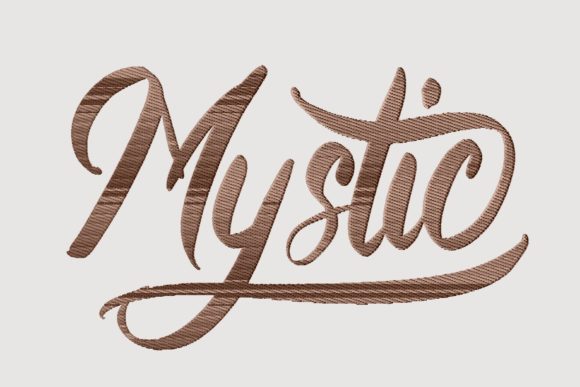
The product description highlights a "lovely calligraphic touch," which immediately sets expectations for elegance and fluidity. In the context of branding, typography-driven designs are powerful because they communicate personality instantly. Honey appears to lean into a style that is both friendly and premium. For a handmade brand or a boutique bakery, this aesthetic strikes a balance between approachable warmth and professional polish. It does not scream for attention with aggressive boldness; instead, it invites the viewer in with a sense of crafted care. This makes it an excellent candidate for businesses that want to project authenticity and high-quality craftsmanship without appearing overly corporate or sterile.
Real-World Applications for Small Business Merch
When evaluating a design for commercial embroidery, versatility is key. Honey offers several strong use cases for small business owners looking to expand their product lines or enhance their staff uniforms.
- Branded Patches: The calligraphic nature of the design suggests it would look stunning as an embroidered patch. Patches are a trending item in retail, allowing customers to buy a piece of the brand without committing to a full garment. A well-executed patch using Honey can be sewn onto denim jackets, canvas bags, or hats, serving as a mobile advertisement for your business.
- Apron and Uniform Embroidery: For cafes, florists, and craft studios, staff apparel is a primary touchpoint for customer interaction. Embroidering Honey on the chest pocket of an apron adds a subtle yet sophisticated mark of quality. It elevates a standard uniform into a branded asset that reinforces trust and professionalism.
- Tote Bag Design: Canvas tote bags are staples for eco-conscious brands and retail shops. The flow of the calligraphy likely complements the natural texture of canvas fabric. Using Honey as a central motif or a corner accent on a tote bag creates a chic, minimalist accessory that customers will actually want to use daily.
- Cap Embroidery: While curved surfaces present challenges, a streamlined calligraphic design can work beautifully on the front panel of a dad hat or baseball cap. It provides a low-profile branding option that feels exclusive and trendy.
Technical Considerations and Stitch Density
While the aesthetic appeal of Honey is clear, the technical execution determines its success. The description notes that this digital embroidery file comes with multiple options, which is crucial for adapting to different hoop sizes and fabric types. However, calligraphic designs often rely on fine lines and varying stroke widths. This requires careful attention to stitch density and thread tension.
If you are planning to use this design on textured fabric, such as heavy canvas or terrycloth, you must ensure the stitches are dense enough to prevent the fabric from showing through, but not so dense that they cause puckering. For dark uniforms, consider using a high-contrast thread color to maintain legibility. I always recommend testing the design in black and white first. If the design loses its definition without color, it may need adjustments in spacing or underlay stitching before being approved for client work.
Navigating Challenges with Curved Surfaces and Small Sizes
One area where designers must exercise caution is scaling. Calligraphy can become illegible if reduced too much. If you intend to use Honey as a small chest logo on a polo shirt or a tiny detail on a sleeve, verify the minimum readable size. Tiny lettering can merge together during the embroidery process, especially if the stabilizer is not properly applied. For cap embroidery, the curvature of the front panel can distort long, horizontal designs. It is essential to create a printable mockup and, ideally, a physical test stitch-out on the actual garment type to check for distortion.
Enhancing Brand Identity and Customer Trust
In the competitive landscape of handmade products and small business merch, consistency is vital. Honey serves as more than just decoration; it is a tool for building brand recognition. When customers see the same elegant script on your packaging, your aprons, and your social media graphics, it creates a cohesive visual identity. This consistency signals professionalism and attention to detail, which directly influences buyer engagement and trust.
For Etsy sellers and crafters, offering items with high-quality embroidery adds perceived value. A simple tote bag becomes a premium product when adorned with a well-digitized design like Honey. It transforms a commodity into a keepsake. Furthermore, using such design assets in your marketing materials—such as printable mockups for your online store—can help visualize the finished product for potential buyers, increasing conversion rates.
Practical Designer Notes for Production
Before running a large batch of commercial embroidery projects using Honey, follow these practical steps to ensure quality control:
- Check Licensing: Always confirm the commercial licensing terms included with the file. Ensure you have the rights to use the design on items for sale.
- Select the Right Stabilizer: The choice of stabilizer depends on your fabric. Use a cut-away stabilizer for stretchy fabrics like t-shirts to prevent distortion, and a tear-away for stable woven fabrics like canvas or denim.
- Test Thread Colors: Experiment with different thread colors to see what best represents your brand. Metallic threads can add a luxury feel, while matte cotton threads offer a rustic, handmade look.
- Verify Hoop Size: Although the description mentions multiple options, always double-check that the selected version fits your machine’s hoop size and the intended placement on the garment.
- Inspect Spacing: Look closely at the digitizing. Are there any jumps or trims that could be minimized? Is the spacing between letters consistent? These details matter in a high-end finished product.
Final Verdict for Business Use
Honey is a promising addition to any embroidery designer’s library, particularly for those serving lifestyle brands, boutiques, and hospitality businesses. Its calligraphic style offers a blend of elegance and warmth that resonates with modern consumers. By paying attention to technical details like stitch density, fabric texture, and proper stabilization, you can leverage this design to create standout merchandise. Whether used for an embroidered patch, a staff apron, or a signature tote bag, Honey has the potential to enhance your brand identity and deliver a high-quality finished product that customers will love.