Rabbit on Grass: A Designer’s Review for Small Business Merch
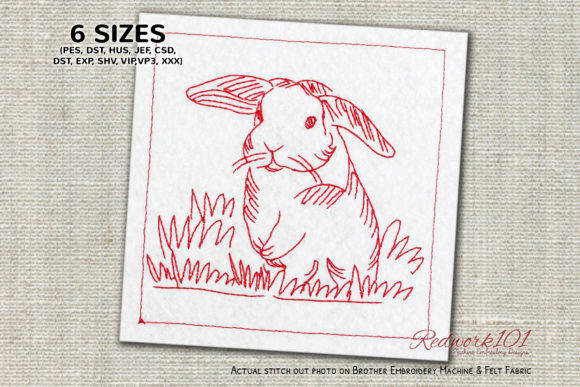
As an embroidery designer who has spent years digitizing and testing files for commercial use, I approach every new machine embroidery design with a critical eye. It is not just about whether the image looks cute on a screen; it is about how that design performs when stitched out on real fabric, worn by staff, or sold as part of a small business merch line. Recently, I evaluated Rabbit on Grass, a charming piece categorized under Farm Animals, to determine its viability for branded applications. This review focuses on its potential for patches, uniforms, and retail products, offering practical insights for shop owners and creators.
First Impressions: Visual Personality and Brand Fit
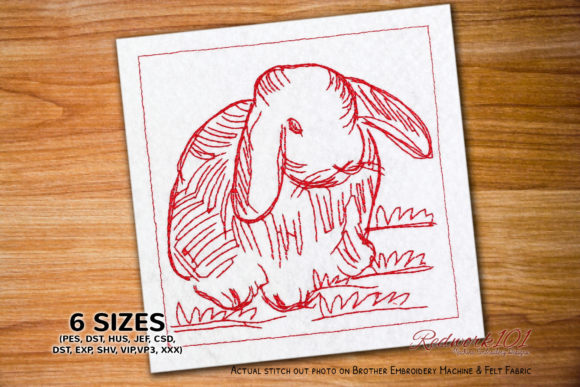
The immediate impression of Rabbit on Grass is one of approachable warmth. Described as an adorable redwork embroidery, it carries a distinct handmade aesthetic that feels both rustic and playful. In the world of Embroidery, redwork is a classic technique that relies on a single color thread, usually red, to create outline-based designs. This simplicity is its greatest strength for business branding. It avoids the visual clutter of complex shading, making it instantly recognizable even from a distance.
For a boutique café, a local bakery, or a pet brand, this design exudes friendliness. It does not scream "corporate"; instead, it whispers "community." If your brand identity relies on trust, warmth, and a personal touch, this design aligns perfectly. However, for high-end luxury brands seeking minimalism or stark modernity, the whimsical nature of the rabbit might feel too casual. The optional Box Stitch mentioned in the description adds a layer of versatility, allowing you to frame the character if you need a more contained, badge-like appearance for specific applications.
Real-World Applications for Commercial Embroidery
When considering where to place Rabbit on Grass, we must look beyond the hoop. Here is how this design performs across various custom apparel and accessory categories:
- Embroidered Patches: This is perhaps the strongest use case. The clear outlines of redwork translate beautifully into patch form. You can stitch this onto twill or felt backings to create sellable assets for craft fairs or Etsy shops. The simplicity ensures that the edges remain clean, preventing the "blobbing" effect seen in overly dense designs.
- Apron Embroidery: For florists, bakers, or baristas, an apron serves as a walking billboard. Placing this rabbit on the chest pocket or lower corner adds a signature touch. Because redwork typically uses less thread than fill-stitch designs, it remains lightweight and does not weigh down the fabric, ensuring comfort during long shifts.
- Cap Embroidery: Front-panel caps are tricky due to the curved surface. Rabbit on Grass works well here provided the size is adjusted correctly. The open spaces in the design prevent the fabric from puckering, a common issue with dense logos on structured hats.
- Tote Bag Design: Canvas totes are staples for bookstores and markets. The contrast of red thread against natural canvas is visually striking. This design can serve as a central focal point or be repeated in a smaller pattern for a all-over print effect, though the latter would require careful spacing planning.
Navigating Technical Challenges and Fabric Textures
While the design is charming, technical execution is where many small businesses stumble. As a designer, I advise caution in several areas. First, consider the stitch density. Redwork is generally low-density, which is good for stretchy fabrics but requires proper stabilization. If you are stitching on a thin cotton shirt, a cut-away stabilizer is non-negotiable to prevent distortion after washing.
Fabric texture also plays a crucial role. On fluffy towels or thick fleece, the fine lines of the rabbit’s features might get lost. In such cases, increasing the stitch width slightly or using a contrasting backing fabric can help maintain visibility. Additionally, if you are working with dark uniforms, the traditional red thread might not pop. You will need to test different thread colors to ensure visibility. White or gold thread on navy blue, for instance, can maintain the elegance of the design while ensuring legibility.
Another critical factor is size. If you attempt to shrink this design for a tiny label or a sleeve detail on a child’s garment, the details may merge. Always check the minimum recommended size in the digital embroidery file documentation. If that information is missing, run a test stitch at 50% scale to see where the clarity breaks down.
Enhancing Brand Identity and Customer Trust
Consistency is key to building a recognizable brand. Using Rabbit on Grass across multiple touchpoints creates a cohesive visual language. Imagine a customer receiving a package with a tote bag featuring this rabbit, wearing a shirt with the same motif, and seeing it on your social media printable mockup images. This repetition builds familiarity and trust.
Furthermore, the "handmade" look of redwork signals quality and care. In an era of mass-produced goods, customers value items that appear crafted with attention. This design supports that narrative. It suggests that your business values tradition and charm, which can justify a higher price point for your finished product. It transforms a simple item into a keepsake.
Practical Designer Notes for Production
Before you commit to a large production run, follow these steps to ensure professional results:
- Test in Black and White: Before selecting your final thread, stitch the design in black thread on white fabric. This removes the distraction of color and allows you to evaluate the clarity of the lines and spacing.
- Check Hoop Size Compatibility: Ensure the design fits comfortably within your machine’s hoop without requiring excessive re-hooping, which can lead to misalignment. If the design is large, consider splitting it or using a larger hoop if available.
- Verify Commercial Licensing: This is vital. Check the license terms associated with the embroidery file. Ensure you have the right to use it for physical goods you intend to sell. Never assume a standard download includes commercial rights.
- Create Client Mockups: If you are designing for a client, use a printable mockup or digital composite to show them how the rabbit looks on their specific garment color. This manages expectations and reduces revision requests.
- Inspect Spacing and Jump Stitches: Look at the digitizing quality. Are there unnecessary jump stitches that will need trimming? Clean paths save time in production and result in a neater backside, which matters for unlined items like scarves or lightweight tops.
Final Verdict for Small Business Owners
Rabbit on Grass is a versatile asset for the right brand. It is not a universal logo solution, but for businesses in the lifestyle, food, pet, or craft sectors, it offers significant value. Its strength lies in its simplicity and emotional appeal. By respecting the technical limitations of redwork and applying it strategically to patches, aprons, and totes, you can elevate your design assets and create merchandise that customers genuinely love to wear and use.
Remember, the success of any commercial embroidery project depends on the synergy between design choice and execution. Take the time to test, stabilize, and refine. When done correctly, this little rabbit can become a big part of your brand’s story.