Bunny Hopping on Grass: A Redwork Review for Craft Fairs
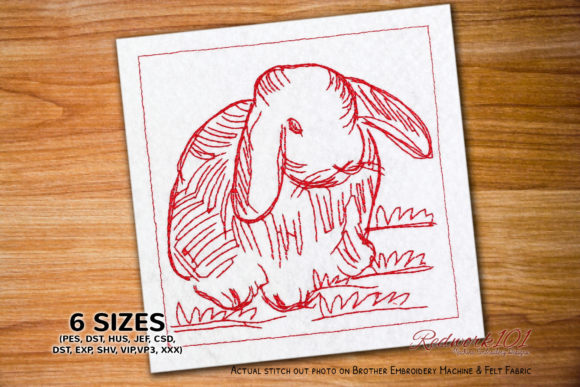
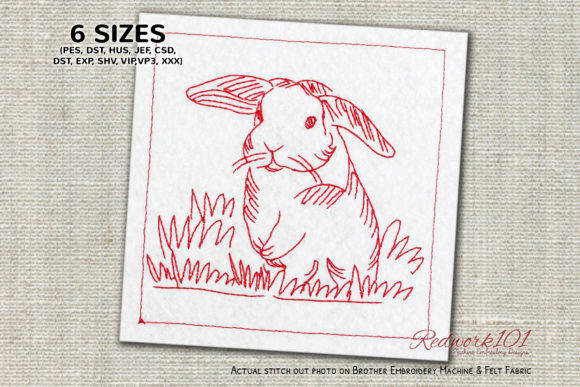
As an embroidery designer preparing for a busy weekend at the local artisan market, my table space is prime real estate. Every item I display needs to stop a browser in their tracks and convert them into a buyer. Today, I am evaluating Bunny Hopping on Grass, a design described as an adorable redwork embroidery perfect for Easter items, gardening outfits, and farmhouse decor. The description mentions a "Box Stitch," which immediately piques my interest regarding texture and visual weight. In the world of Farm Animals and seasonal Embroidery, finding a design that balances cuteness with professional finish is the key to a successful craft fair product.
First Impressions: Rustic Charm Meets Modern Simplicity
When I first pull up the preview of Bunny Hopping on Grass, the immediate vibe is undeniably rustic and festive. Redwork has a timeless appeal; it feels handmade, nostalgic, and incredibly versatile. Unlike full-color designs that can sometimes look chaotic from a distance, a single-color or limited-palette redwork design offers a clean, bold silhouette. This specific design, featuring a bunny in motion against a grassy backdrop, hits the sweet spot between "cute" and "sophisticated." It doesn't scream "nursery only"; instead, it whispers "farmhouse chic," making it appealing to a wider demographic of craft fair attendees, from young mothers to grandmothers looking for heirloom-quality gifts.
The mention of the "Box Stitch" suggests a textured fill that could add significant value to the finished product. If executed well, this stitch type provides a tactile element that customers love to touch. In a booth setting, tactile engagement often leads to sales. However, as a professional, I know that visual appeal on a screen does not always translate perfectly to fabric. The success of this machine embroidery design will depend entirely on how those stitches lay on different materials.
Product Versatility: Where This Design Shines
To maximize ROI at a craft fair, a single digital embroidery file needs to work across multiple product categories. Here is how I see Bunny Hopping on Grass performing on various handmade product lines:
- Tote Bags and Market Bags: This is likely the strongest contender. A large hoop application on a natural canvas tote allows the redwork to pop. The "hopping" motion of the bunny adds dynamic energy to a static bag, making it a perfect tote bag design for spring markets.
- Aprons and Gardening Outfits: Given the "gardening outfits" suggestion in the description, this design is tailor-made for heavy-duty cotton aprons. Placed on the bib or the lower skirt, it creates a thematic uniform for gardeners that feels both functional and fun.
- Tea Towels and Kitchen Linens: Redwork is traditional in kitchen textiles. Stitching this onto flour sack towels creates an instant bestseller. The tea towel embroidery market is saturated, but a high-quality redwork bunny stands out against the sea of generic prints.
- Patches and Pouches: If the design scales down well without losing detail, it makes an excellent embroidered patch for iron-on applications or a focal point on small fabric pouches. These are great low-cost impulse buys for customers who aren't ready to spend big on a tote.
- Pillow Covers: For home decor buyers, a pillow cover featuring this Farm Animals theme adds a seasonal touch to living rooms without requiring a complete room overhaul.
Photography and Online Listings
For the Etsy seller or boutique owner maintaining an online presence alongside physical sales, Bunny Hopping on Grass photographs beautifully. High-contrast redwork creates sharp lines that render well in printable mockup scenarios and real-life photos. The simplicity of the design ensures it doesn't get lost in the shadows or highlights of a photo shoot. When creating listings, using this design as a hero image on a neutral background can significantly boost click-through rates. It serves as excellent design assets for social media posts leading up to the fair.
Production Realities and Practical Considerations
While the aesthetic potential is high, a professional review must address the practicalities of production. Batch producing for a craft fair requires efficiency and consistency. Here are the critical factors I consider before committing to stitching fifty units:
Stitch Density and Fabric Texture: The "Box Stitch" mentioned in the description implies a specific density. On thick fabrics like denim or canvas tote bags, this should result in a lovely, raised texture. However, on thinner materials like standard tea towels, high stitch density can cause puckering or make the fabric stiff and uncomfortable. I would strongly advise testing the design on scrap fabric identical to your final product. If the design feels too heavy, you may need to adjust the density settings in your digitizing software or choose a lighter stabilizer.
Thread Colors and Contrast: Redwork traditionally uses red thread on white fabric, but modern interpretations allow for creativity. To make this a standout small shop product, consider offering variations. A sage green thread on cream linen fits the "gardening" theme perfectly, while a classic crimson on white screams "Easter." Ensure your thread colors have enough contrast against the fabric so the details of the hopping bunny and the grass do not get lost.
Curved Surfaces and Caps: Applying this to caps requires caution. The curved surface of a baseball cap can distort wide designs. If Bunny Hopping on Grass is too wide, the outer edges might wrap awkwardly around the crown. Check the aspect ratio of the embroidery file before hooping for hats. It may work better as a smaller accent on the side of a cap rather than a full-frontal display.
Scaling and Clarity: One of the biggest risks with detailed redwork is shrinking the design too much. Tiny details in the grass or the bunny's features can merge into a solid blob if the hoop size is too small relative to the design complexity. Always verify the minimum recommended size provided with the file. If the vendor does not specify exact dimensions or stitch counts, assume a conservative approach and test a small sample first.
Maximizing Sales Through Strategic Display
In the context of a craft fair booth, Bunny Hopping on Grass acts as a visual anchor. Its simplicity allows it to be grouped with other items without creating visual clutter. I recommend creating a "Spring Collection" display where this design is repeated across different products—a tote, an apron, and a towel—grouped together. This demonstrates versatility to the customer and encourages multiple purchases.
The design also supports brand consistency. If your brand focuses on handmade, rustic, or nature-inspired goods, this image reinforces that identity. It tells the customer that you pay attention to detail and appreciate traditional techniques like redwork. This perceived value allows you to price your commercial embroidery products higher than mass-produced alternatives.
Final Designer Notes for Success
Before you start your production run for the weekend market, here is a checklist to ensure Bunny Hopping on Grass performs as expected:
- Test on Scrap: Never skip the test stitch-out. Use the exact fabric and stabilizer you plan to sell.
- Check Stabilizer: For the Box Stitch, a cut-away stabilizer might be necessary to prevent distortion over time, especially on stretchy fabrics.
- Review Spacing: Ensure there is adequate spacing between the bunny and the grass elements to prevent thread breaks or bird-nesting.
- Verify Licensing: Crucially, confirm the commercial licensing terms. Just because a file is purchasable does not automatically grant rights to sell finished physical goods. Ensure you are cleared for commercial embroidery sales.
- Create a Mockup: Have at least one pristine sample ready for the top of your display stack. Customers buy what looks perfect.
In conclusion, Bunny Hopping on Grass has all the markers of a craft fair winner. It taps into the evergreen popularity of farm themes and Easter seasonality while offering the clean, premium look of redwork. With careful attention to fabric choice, stitch density, and presentation, this design can become a staple in your inventory, driving engagement and sales for your handmade business.