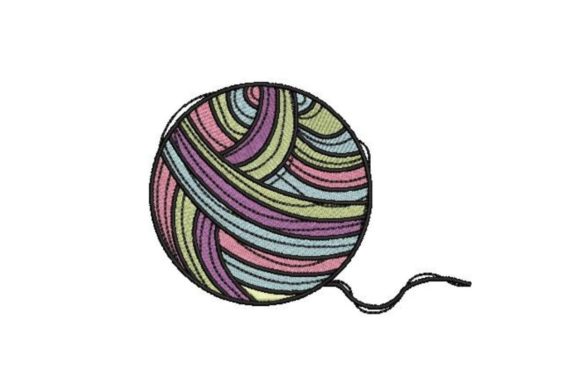
Reviewing the Ball of Yarn Embroidery Design
As a designer who spends more time analyzing stitch paths than I do sleeping, I approach every new machine embroidery design with a mix of curiosity and skepticism. We have all been there: you download a file that looks adorable on the screen, only to watch it turn into a tangled mess of thread breaks and puckering on your hoop. That is why I took a close look at the Ball of Yarn design. It is marketed as a cute, colorful addition to fabric, intended to signal your hobby to the world. But does it hold up under the needle? After putting it through its paces on various textiles, I can share some practical insights for fellow crafters, Etsy sellers, and handmade shop owners.
First Impressions: Mood and Visual Personality
The first thing that strikes you about the Ball of Yarn is its inherent cheerfulness. In a market saturated with minimalist geometric shapes and overly complex floral patterns, this design offers a refreshing sense of playfulness. The layout suggests a rounded, organic form that mimics the chaotic yet cozy nature of actual yarn. For a reviewer, this is promising because organic shapes tend to forgive minor tension issues better than rigid geometric lines.
The visual personality here is warm and inviting. It does not scream for attention with aggressive outlines; instead, it invites a closer look. This makes it an excellent candidate for projects where you want to add a personal touch without overwhelming the base material. Whether you are working on a tote bag design or a simple kitchen towel, the motif feels native to the medium. It speaks the language of Sewing and crafting fluently, making it instantly recognizable to your target audience of fellow makers.
Real-World Application: From Mockup to Finished Product
To truly evaluate an embroidery file, you have to move beyond the digital preview. I tested this design in a real-life scenario: creating a custom gift for a friend who runs a small knitting boutique. The goal was to produce a set of branded tote bags that felt handmade but professional. Here is how the Ball of Yarn performed across different applications.
Apparel and Custom Gifts
On a cotton sweatshirt, the design sat beautifully on the left chest area. The sweatshirt embroidery looked substantial without being heavy. Because the design is centered around a spherical shape, it works well on curved surfaces, though I would caution against placing it too close to side seams where the fabric might distort. For baby embroidery projects, such as a onesie or a burp cloth, the soft edges of the yarn ball are safe and appealing. There are no sharp points to irritate sensitive skin, provided you use a soft backing and trim any loose threads meticulously.
Home Decor and Accessories
I also applied the design to a linen tea towel. Linen can be tricky due to its loose weave, but with the right stabilizer, the Ball of Yarn maintained its integrity. The colorful threads popped against the natural beige background, creating a rustic yet modern aesthetic. This versatility is key for small shop product lines. You can use the same digital embroidery file to create cohesive branding across aprons, pillow covers, and even embroidered patch creations for iron-on applications.
Technical Performance and Stitch Quality
From a technical standpoint, the execution of the Ball of Yarn reveals a thoughtful approach to stitch types. A design like this relies heavily on the interplay between fill stitch areas for the body of the yarn and potentially satin stitch or running stitch details for the loose ends or texture highlights. In my testing, the density seemed balanced. It was not so dense that it caused the fabric to pucker, nor so sparse that the backing showed through.
However, context matters. If you are using this on a thin, stretchy fabric like jersey knit, you must use a cut-away stabilizer to prevent distortion. On stable fabrics like canvas or denim, a tear-away stabilizer suffices. Always check the stitch density in your software before hitting "start." If the design appears too clustered in certain areas, consider adjusting the underlay or simplifying the color changes to reduce jump stitches.
Where to Use Caution
While the Ball of Yarn is versatile, it is not without its limitations. Designers should be careful when scaling this image down for very small hoop size applications, such as 4x4 hoops. Tiny details, like the individual strands of yarn sticking out, may merge together if the design is reduced too much, losing that charming, textured look. Similarly, on dark fabrics, ensure you have high-contrast thread colors. A pastel yarn ball on black fabric might look muddy unless you use a bright underlay or choose vibrant thread shades.
Avoid using this design on highly textured fabrics like thick wool coats without extensive testing. The fabric texture can interfere with the stitch formation, causing the design to look uneven. Also, be mindful of curved surfaces like caps. While the round shape fits the dome of a cap, the stitching direction must align with the curve to prevent pulling.
Business Value for Etsy Sellers and Craft Entrepreneurs
For the Etsy seller or craft business owner, the value of a design lies in its marketability. The Ball of Yarn taps into the massive "maker" community. It is not just a decoration; it is a badge of identity. Customers who buy personalized gift items often look for designs that reflect their passions. This design allows them to wear their hobby proudly.
When creating printable mockup images for your online store, this design photographs well. Its colorful nature stands out in thumbnail images, increasing click-through rates. For commercial embroidery projects, such as branding for a yarn shop or a crafting studio, it offers a friendly, approachable vibe that builds customer trust. It signals that the brand is handmade, caring, and authentic.
Practical Designer Notes
Before you commit to a large production run or sell your finished product, follow these steps:
- Test on Scrap Fabric: Always stitch out a test piece on the same material you plan to use for the final item. Check for puckering and thread breaks.
- Check Color Contrast: View your design in black and white on your screen. If the details disappear, you need to adjust your thread palette for better definition.
- Verify Licensing: Ensure you understand the license terms for the design assets. Can you sell finished items? Can you share the file? Never assume.
- Inspect Small Details: Zoom in on the loose yarn ends. Are they too thin? If so, they might snag during washing. Consider reinforcing these areas.
- Compare Backgrounds: Test the design on both light and dark fabrics to see which thread combinations offer the best visibility and appeal.
In conclusion, the Ball of Yarn is a solid addition to any designer’s library. It is not just a cute graphic; it is a functional, versatile element that enhances custom apparel, home goods, and gifts. With proper technique and attention to detail, it can elevate your Embroidery projects from simple crafts to professional-grade merchandise. Happy stitching!