Reviewing Face: A Modern Embroidery Design for Craft Fairs
As an embroidery designer who has spent countless weekends behind a booth table, I know that not every machine embroidery design translates into a bestseller. Some designs look fantastic on a screen but fail to catch the eye of a passing customer. Today, I am reviewing Face, a modern and stylish design categorized under Beauty, to determine if it deserves a spot in your next production run. For Etsy sellers, boutique makers, and creative entrepreneurs, understanding how a single embroidery file performs across various mediums is the key to maximizing profit and minimizing waste.
First Impressions: Modern Style Meets Market Appeal
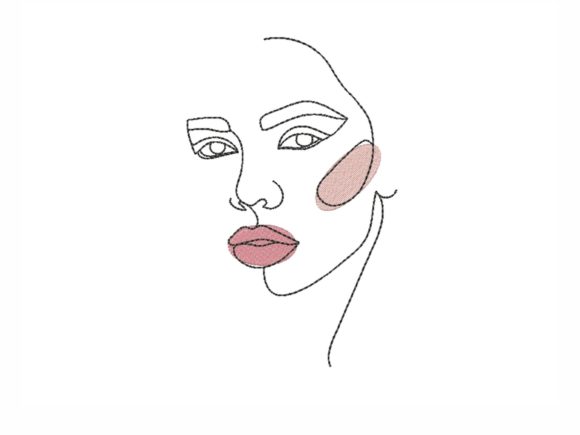
The title Face suggests a focus on portraiture or abstract facial features, which aligns perfectly with current trends in contemporary home decor and fashion. Based on the description, this design is marketed as modern and stylish. In the context of a craft fair, "modern" often signals a higher perceived value. Customers browsing handmade markets are increasingly drawn to minimalist, artistic motifs rather than overly busy or traditional patterns. If Face delivers on its promise of style, it serves as a strong anchor for a small shop product line that aims to feel curated and premium.
When evaluating the visual appeal, consider whether the design feels bold or subtle. A modern face motif can act as a statement piece on a tote bag or a delicate accent on a pouch. The success of this digital embroidery file relies heavily on its ability to communicate emotion or aesthetic quickly. At a busy market, you have seconds to capture attention. A clean, well-digitized face design can stop a shopper in their tracks, especially if it contrasts nicely with the fabric choice.
Product Versatility: Where Face Shines
To truly test the viability of Face, we must imagine it on various craft fair products. Here is how I envision this design performing across different items:
- Tote Bags: A large-scale version of Face works exceptionally well as a tote bag design. Canvas totes are staples at markets, and a central, artistic embroidery adds significant value. Ensure the hoop size is large enough to let the details breathe.
- Aprons and Kitchen Textiles: For apron embroidery, placement is key. A smaller version on the bib or pocket can look chic and professional. Similarly, tea towel embroidery requires a design that holds up after washing. If Face has fine lines, ensure they are not so delicate that they get lost in the fabric texture of waffle weave or linen.
- Embroidered Patches: Patches are high-margin impulse buys. If the design can be scaled down without losing clarity, it becomes a versatile embroidered patch that customers can iron onto jackets or hats. This expands your product range without requiring new digitizing.
- Caps and Headwear: Embroidering on curved surfaces is tricky. If Face is wide, it may distort on a standard cap. However, a simplified or vertical variation could work beautifully on dad hats, appealing to a younger demographic.
- Pillow Covers and Home Decor: As a focal point on a cushion, this design can elevate a simple linen cover into a luxury item. This is ideal for customers looking for unique handmade product gifts for housewarmings.
Production Practicality and Batch Efficiency
For a business owner, aesthetics must balance with efficiency. How does Face perform in a production environment? One critical factor is stitch density. High-density designs take longer to stitch and use more thread, which eats into margins. They also risk puckering lighter fabrics. If Face is optimized with proper underlay and reasonable density, it will stitch out faster and cleaner, allowing you to produce more units before a weekend market.
Photography is another major consideration. Does the design photograph well for your online listings? Modern, high-contrast designs like Face often create striking images for social media and Etsy. When creating a printable mockup or taking photos of your finished product, ensure the lighting highlights the texture of the stitches. A design that looks flat in photos will not convert clicks to sales. Use thread colors that pop against your base fabric to enhance this effect in your design assets.
Navigating Technical Challenges
While Face promises style, you must be mindful of technical limitations. The description notes it comes with multiple file formats, which is essential for compatibility with various machines. However, always check the specific details regarding hoop size and stitch count before purchasing. Without this data, you cannot accurately plan your production timeline.
Be cautious with dense stitch areas, especially if you plan to use thick fabrics like denim or textured towels. On dark fabrics, ensure the design uses bright or metallic threads to maintain visibility. Tiny details in facial features, such as eyes or lips, may merge or break if the design is scaled down too far. Always test the design on scrap fabric first. Check the spacing between elements to ensure no thread jumps are visible, and confirm that the stabilizer you choose supports the weight of the embroidery without adding unnecessary stiffness.
Boosting Brand Consistency and Customer Engagement
Incorporating Face into your lineup can strengthen your brand identity if it aligns with your overall aesthetic. For shops focusing on modern, artistic, or beauty-themed items, this design reinforces a cohesive look. Consistency builds trust; when customers see a recognizable style across your tote bags, patches, and pillows, they are more likely to perceive your brand as professional and established.
Furthermore, unique designs drive engagement. A striking face motif invites questions. "Who designed this?" or "Is this hand-stitched?" are conversations that lead to sales. By using a high-quality commercial embroidery design, you signal to buyers that you care about quality. This perception allows you to price your items higher, reflecting the time and skill involved in creating each handmade product.
Final Designer Notes for Success
Before you commit to a large batch, follow these steps to ensure Face meets your standards:
- Test on Scrap Fabric: Run the design on the exact fabric type you intend to sell. Check for puckering, thread breaks, or registration issues.
- Review Thread Contrast: Experiment with different thread combinations. Monochromatic looks can be elegant, while contrasting colors can be playful.
- Confirm Licensing: Ensure the license allows for commercial embroidery and the sale of finished physical goods. Never assume; always read the terms.
- Create Real Mockups: Digitally place the design on product photos to visualize the final look before stitching a single thread.
- Check Stabilizer Compatibility: Use cut-away stabilizer for stretchy fabrics and tear-away for stable woven materials to ensure the design lays flat.
In conclusion, Face has the potential to be a standout item in your craft fair arsenal. Its modern appeal suits a wide range of products, from practical tote bags to decorative pillows. By paying attention to production details like stitch density and fabric choice, you can transform this digital embroidery file into a profitable line of Beauty-inspired Embroidery goods. Remember, the best designs are those that not only look good but also stitch reliably and sell consistently. Test thoroughly, market creatively, and let your unique interpretation of Face shine in your next market display.