Graphic Design: A Bold Statement for Craft Fair Success
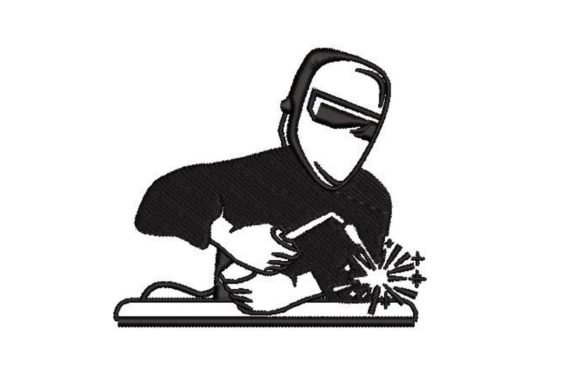
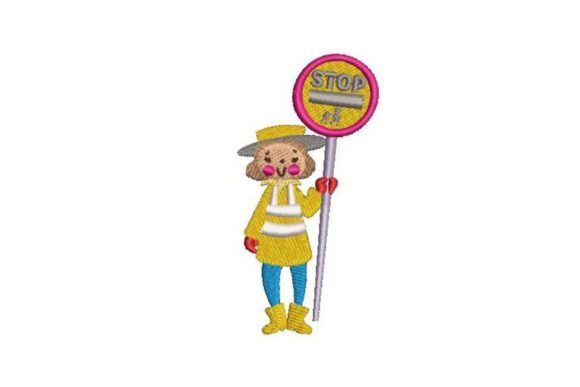
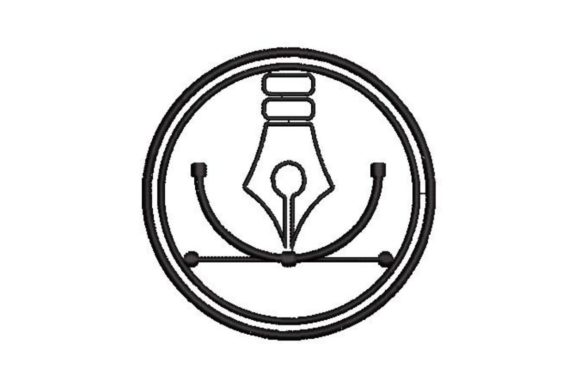
As an embroidery designer who has spent countless weekends setting up booth displays at local craft fairs and handmade markets, I know that the difference between a browsing customer and a buying customer often comes down to one thing: immediate visual impact. When I pulled up the Graphic Design machine embroidery design to evaluate it for my upcoming weekend market lineup, I wasn't just looking at pixels on a screen. I was imagining how it would look stitched onto a canvas tote bag hanging from a wooden rack or centered on a crisp white apron. This design promises to symbolically show your job to people around you or simply promote your business, and in the world of small shop products, that kind of clear messaging is gold.
The first impression of Graphic Design is undeniably modern and professional. It doesn't lean into the overly rustic farmhouse trend that saturates many booths, nor does it feel too juvenile. Instead, it carries a clean, bold aesthetic that suggests premium quality. For an Etsy seller or a boutique maker looking to expand their physical presence, this vibe is crucial. Customers at craft fairs are often looking for items that feel personalized but also polished enough to be gifted to a colleague or used in a professional setting. The description hints at versatility, suggesting it works for both personal expression and business promotion, which immediately opens up two distinct target audiences for my table display.
Visual Impact on Market-Ready Products
When evaluating where Graphic Design would stand out, I immediately pictured it on a sturdy tote bag design. Tote bags are the bread and butter of any craft fair booth, and a design that speaks to one's profession or business identity turns a simple bag into a walking billboard. The clarity of the lines in this digital embroidery file suggests it would stitch out beautifully on medium-weight canvas, providing enough contrast to catch the eye from three feet away.
Beyond bags, I see huge potential for apron embroidery. Chefs, bakers, and crafters love gear that identifies their trade without being cheesy. If this design holds its shape well under tension, it could become a best-seller for food vendors or workshop instructors. Similarly, tea towel embroidery is a fantastic low-cost entry point for customers. A set of towels featuring this motif could appeal to someone looking for a housewarming gift for a friend who just started a new venture. The key here is whether the design scales down effectively; if the details remain crisp on a smaller tea towel, it becomes a versatile asset for batch production.
I also considered using this as an embroidered patch. Patches are incredibly popular right now, allowing customers to customize their own jackets or backpacks. If the stitch density allows for a clean cut-and-sew or iron-on application, this could be a high-margin add-on item. However, curved surfaces like caps require careful consideration. While the design fits the "Work" category perfectly for uniform branding, the curvature of a cap brim might distort finer elements unless the digitizing accounts for pull and push factors.
Production Realities and Practical Selling Points
From a production standpoint, the viability of Graphic Design hinges on its efficiency. At a craft fair, time is money. If this embroidery file runs quickly with minimal thread breaks, it becomes a viable option for live stitching demonstrations or rapid restocking between shows. The description notes that it comes with multiple embroidery file formats, which is a relief. It means I can optimize the file for whatever hoop size my machine requires, ensuring I'm not limited to a single product type.
One of the strongest selling points of this design is its communicative power. In a sea of generic floral patterns and cute animals, a design that says "This is what I do" or "Support my business" creates an instant connection. It invites conversation. When a customer stops to ask about the meaning behind the graphic, I have an opening to tell my brand story or explain the quality of my handmade product. This engagement is vital for converting browsers into buyers.
Photography is another critical factor. For my online listings, a design needs to photograph well under various lighting conditions. The bold nature of Graphic Design suggests it will pop in photos, making it ideal for creating attractive printable mockups for social media teasers before the event even starts. High contrast between the thread colors and the fabric background will ensure that the finished product looks as good on Instagram as it does in person.
Critical Considerations for Execution
However, enthusiasm must be tempered with technical scrutiny. Before committing to a large batch of inventory, there are several "careful-use" notes every embroiderer should heed. First, examine the stitch density. If the design has large areas of solid fill, it can make the fabric stiff and unappealing, especially on soft goods like pillow covers or lightweight pouches. Dense stitching can also lead to puckering if the stabilizer isn't matched correctly to the fabric texture.
Tiny details are another potential pitfall. If Graphic Design includes fine lettering or intricate lines, these may disappear when stitched on textured towels or dark fabrics. Thread contrast is essential; a dark thread on a navy blue tote bag will render the design invisible. Always test the design on scrap fabric that matches your intended final product. Check the spacing between elements to ensure they don't merge together after washing.
Furthermore, verify the hoop size requirements. While the file formats are flexible, the physical dimensions of the design dictate which products it can adorn. A design that is too large won't fit on a small coin purse, and one that is too small might get lost on a large market bag. Since the specific stitch count and exact dimensions aren't provided in the brief description, it is imperative to download the preview or info sheet to confirm these metrics before cutting any fabric.
Final Verdict for the Creative Entrepreneur
Ultimately, Graphic Design feels like a strategic addition to a commercial embroidery portfolio. It bridges the gap between personal style and professional utility. For the digital seller, it offers a unique asset that stands out from standard clipart. For the boutique maker, it provides a way to create cohesive branding across different product lines, from apparel to home decor.
To maximize its potential, I recommend creating at least one real mockup before the fair. Stitch it on a neutral-colored tote and a contrasting apron to see how the thread colors interact with different backgrounds. Confirm the commercial licensing terms explicitly; while the description implies promotional use, ensuring you have the rights to sell finished products containing this design is non-negotiable for a legitimate business.
If the technical execution holds up—meaning the stitch quality is smooth, the density is appropriate, and the details remain sharp—this design has the power to elevate a booth display. It speaks directly to the ambition of the modern maker and the pride of the professional. In a marketplace driven by authenticity, Graphic Design offers a clear, confident voice that can help your handmade products resonate with the right customers.