Coffee Cup in Hand: A Designer’s Review for Branding
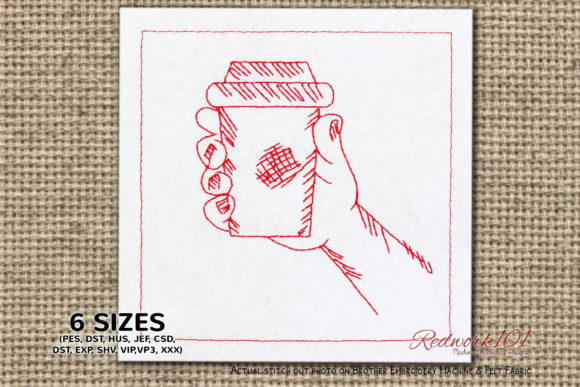
As an embroidery designer who has spent years digitizing and reviewing files for small business merchandise, I approach every new machine embroidery design with a critical eye. It is not just about whether the image looks cute on a screen; it is about how that design performs when stitched onto real fabric, worn by staff, or sold as part of a branded product line. Today, I am reviewing Coffee Cup in Hand, a redwork-style motif that promises to be a lovely addition to kitchen textiles and apparel. For boutique owners, café operators, and Etsy sellers, understanding the practical application of this design is crucial before adding it to your catalog.
First Impressions: Visual Personality and Style
The immediate appeal of Coffee Cup in Hand lies in its simplicity. Described as a redwork embroidery piece, it suggests a classic, single-color aesthetic that relies on clean lines rather than complex shading. In the world of brand identity, this is often a strength. Redwork styles evoke a sense of tradition, warmth, and handmade authenticity. For a local bakery, a rustic café, or a heritage-inspired home goods brand, this visual personality aligns perfectly with a cozy, welcoming atmosphere.
Unlike overly detailed digital illustrations that can lose clarity when stitched, a design focused on outline work tends to hold its shape better. The "hand holding a cup" motif is universally recognized, making it an instant communicator for businesses centered around beverages, comfort, or morning routines. It feels friendly and approachable, avoiding the coldness of corporate minimalism while maintaining a professional, tidy appearance.
Real-World Applications for Small Business Merch
When evaluating a digital embroidery file for commercial use, I always map out where it will live on physical products. Coffee Cup in Hand offers versatility across several key categories for small business merch.
- Apron Embroidery: This is perhaps the most natural fit. For coffee shops and bakeries, staff aprons are walking billboards. A redwork design on the chest pocket or lower corner adds a touch of artisanal charm without overwhelming the uniform.
- Kitchen Textiles: As noted in the description, this design is perfect for kitchen towels and table cloths. For handmade brands selling home goods, this can be a signature element on flour sack towels or tea towels, enhancing the perceived value of the handmade product.
- Tote Bag Design: Canvas totes are staples for retail branding. Placing this motif on a tote bag creates a functional, stylish accessory that customers are likely to use daily, increasing brand visibility.
- Embroidered Patches: If digitized correctly, this design could work as an iron-on or sew-on patch. Patches allow for flexibility, letting you apply the branding to jackets, hats, or bags after production.
For those in the Tea industry, while the title specifies coffee, the universal nature of a hot beverage cup means it can easily cross over. With a simple thread color change from coffee-brown to herbal green or slate blue, the same embroidery file can serve a tea house or wellness brand, demonstrating the cost-effective versatility of good design assets.
Technical Considerations and Production Risks
While the aesthetic is promising, a professional review must address technical execution. The description mentions "Box Stitch," which implies a specific fill or border technique. However, redwork is traditionally outline-based. It is vital to inspect the actual stitch path before production. Here are the critical factors to consider for commercial embroidery success.
Stitch Density and Fabric Texture
Redwork designs typically have lower stitch density than filled logos. This is advantageous for lightweight fabrics like linen or cotton voile, as it prevents puckering. However, if you are stitching on textured fabric like terry cloth towels or heavy canvas, you must ensure the lines are thick enough to remain visible. Thin, single-run outlines can get lost in the pile of a towel. I recommend running test stitches on your actual inventory materials to check visibility.
Size and Scalability
One common mistake in custom apparel is shrinking a design too much. If you plan to use Coffee Cup in Hand on cap embroidery, be cautious. Curved surfaces distort designs, and small details can become indistinct. Ensure the hoop size you select allows the design to breathe. For hats, a simplified version or a larger scale might be necessary to maintain legibility. Always check the minimum recommended size provided with the file.
Thread Colors and Contrast
Since this is likely a single-color or limited-color design, thread colors play a massive role in impact. On dark uniforms, a standard red or brown thread may not pop. You might need to adjust the design for high-contrast threads, such as cream or gold, to ensure it stands out against navy or black fabrics. Test your color combinations physically, as screen representations of thread sheen can be misleading.
Enhancing Brand Identity and Customer Trust
Consistency is key to building trust. Using a cohesive design like Coffee Cup in Hand across various touchpoints—from employee uniforms to packaging accents—creates a unified brand experience. When a customer receives a tote bag with the same embroidered motif they saw on the barista’s apron, it reinforces recognition. This visual consistency signals professionalism and attention to detail, elevating the perceived quality of your finished product.
Moreover, embroidered items carry a tactile weight that printed graphics lack. The texture of the stitches invites touch, creating a sensory connection between the customer and your brand. This is particularly valuable for Etsy sellers and crafters who compete on the uniqueness and quality of their offerings. An embroidered label or accent can justify a higher price point, transforming a simple item into a premium keepsake.
Practical Designer Notes for Implementation
Before you commit to a large production run, follow these steps to ensure Coffee Cup in Hand meets your business standards:
- Test in Black and White: Print or stitch the design in monochrome first. If the shapes are not distinguishable without color, the design lacks structural integrity.
- Check Stabilizer Requirements: Even low-density designs need proper support. Use a cut-away stabilizer for garments that will be washed frequently, and a tear-away for decorative items like wall hangings.
- Create a Printable Mockup: Before stitching, place the digital file on photos of your actual products. This helps visualize scale and placement, saving time and thread.
- Verify Commercial Licensing: Ensure the license terms for the digital embroidery file allow for the number of units you plan to produce. Some licenses limit the number of physical items you can sell.
- Inspect the Box Stitch: The description mentions a Box Stitch. Verify if this is a decorative border or a fill. If it is a fill, check for jump stitches that might need trimming in post-production.
In conclusion, Coffee Cup in Hand presents a strong opportunity for businesses looking to add a warm, artisanal touch to their merchandise. Its redwork style offers timeless appeal, suitable for everything from apron embroidery to branded home goods. By paying attention to technical details like stitch density, fabric compatibility, and scaling, you can leverage this design to enhance your brand identity and deliver high-quality, memorable products to your customers. Always prioritize testing on real materials to ensure the final result matches your professional standards.